

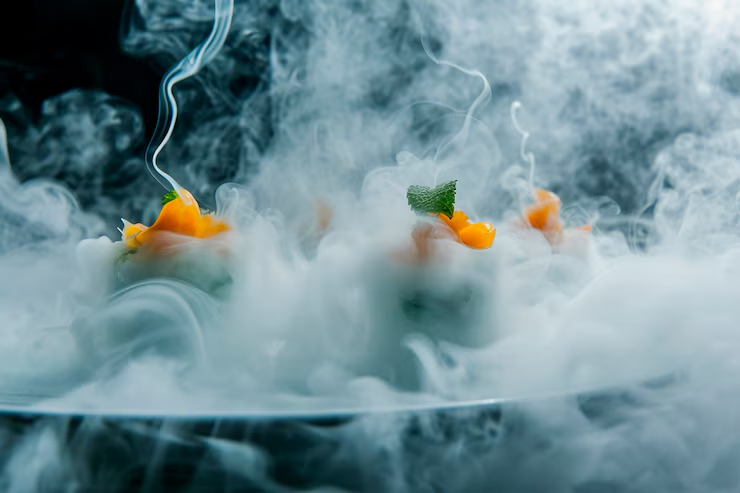
The culinary landscape is a vast and ever-evolving tapestry, woven with threads of diverse flavors, textures, and aromas. While sweetness and saltiness often steal the spotlight, a more nuanced and profound category of taste, the savory, or “umami,” deserves its own dedicated exploration. Savory sensations are not merely about salt; they encompass a rich spectrum of tastes that evoke feelings of satisfaction, depth, and richness. This exploration will delve into the heart of savory flavors, examining their origins, applications, and the science behind their irresistible appeal.
The Umami Enigma: Unraveling the Fifth Taste
For centuries, the traditional understanding of taste revolved around four primary sensations: sweet, sour, salty, and bitter. However, in the early 20th century, Japanese chemist Kikunae Ikeda identified a fifth taste, which he named “umami,” derived from the Japanese word “umai,” meaning “delicious” or “savory.” Ikeda discovered that glutamate, an amino acid found in various foods, was responsible for this distinct taste. Glutamate interacts with specific taste receptors on the tongue, triggering a cascade of signals that the brain interprets as umami. This taste is often described as a meaty, brothy, or deeply satisfying sensation, distinct from the other four basic tastes. Foods naturally high in glutamate include ripe tomatoes, aged cheeses, mushrooms, seaweed, and fermented products like soy sauce and miso. These ingredients form the backbone of many savory dishes, adding depth and complexity to their flavor profiles.
Beyond Glutamate: A Symphony of Savory Compounds
While glutamate is a key player in the realm of savory flavors, it’s not the only contributor. Other compounds, such as inosinate and guanylate, found in meats and mushrooms, respectively, can synergistically enhance the umami sensation when combined with glutamate. This phenomenon, known as “umami synergy,” explains why dishes like mushroom risotto or a classic beef stew are so irresistibly delicious. The combination of these compounds creates a more intense and prolonged umami experience, elevating the overall flavor profile. Moreover, other elements like certain peptides, minerals, and even the textural qualities of food contribute to the overall savory sensation. The interplay between taste, aroma, and texture creates a holistic sensory experience that transcends the simple definition of umami.
Savory Ingredients: Building Blocks of Culinary Mastery
The world of savory ingredients is vast and diverse, offering a plethora of options for culinary exploration. From the humble onion, which caramelizes into a sweet and savory base for countless dishes, to the pungent garlic, which adds a distinct savory bite, each ingredient plays a crucial role in creating savory sensations. Aged cheeses, with their complex flavors and rich textures, provide a concentrated source of umami, while fermented foods like kimchi and sauerkraut offer a tangy and savory kick. Herbs and spices, such as thyme, rosemary, and bay leaves, contribute aromatic depth and complexity, enhancing the savory notes of stews, roasts, and soups. Seafood, particularly shellfish and fish like anchovies, is naturally rich in umami compounds, adding a briny and savory dimension to dishes. Meats, especially those cooked low and slow, develop a deep, savory richness that is both comforting and satisfying. Understanding the unique characteristics of these ingredients is essential for creating balanced and flavorful savory dishes.
Savory Techniques: Transforming Ingredients into Culinary Art
The way ingredients are prepared and cooked plays a significant role in developing savory flavors. Techniques like roasting, braising, and sautéing can enhance the natural umami compounds in food, creating a more intense and complex flavor profile. Caramelization, the browning of sugars, adds a sweet and savory dimension to onions, meats, and vegetables. Fermentation, a process that relies on beneficial bacteria and yeasts, transforms ingredients like cabbage and soybeans into tangy and savory delicacies. Slow cooking allows meats to break down, releasing their natural umami compounds and creating a tender and flavorful result. Smoking imparts a distinct savory and smoky flavor to meats, fish, and cheeses. The art of seasoning, using salt, pepper, herbs, and spices, is crucial for balancing and enhancing the savory notes in a dish. Understanding these techniques allows chefs and home cooks alike to unlock the full potential of savory ingredients.
Savory in Global Cuisines: A Universal Language of Flavor
Savory flavors are not confined to a single cuisine; they are a universal language of taste, embraced by cultures around the world. From the hearty stews of Europe to the complex curries of India, savory dishes are a testament to the human appreciation for rich and satisfying flavors. In Japanese cuisine, umami is a cornerstone, evident in dishes like dashi, miso soup, and ramen. Italian cuisine celebrates savory flavors with its rich tomato sauces, aged cheeses, and cured meats. Mexican cuisine utilizes chilies, spices, and meats to create bold and savory dishes. French cuisine, known for its sophisticated techniques, features savory classics like coq au vin and beef bourguignon. Each culture has its own unique approach to savory flavors, reflecting its culinary traditions and local ingredients.
The Future of Savory: Innovation and Exploration
The exploration of savory flavors is an ongoing journey, with chefs and food scientists constantly pushing the boundaries of culinary innovation. New techniques, such as sous vide cooking and molecular gastronomy, are being used to enhance and manipulate savory flavors. The development of new umami-rich ingredients, such as fermented vegetable extracts and seaweed-based seasonings, is expanding the culinary landscape. The growing interest in plant-based diets has led to the creation of innovative savory dishes that utilize vegetables, legumes, and grains to create rich and satisfying flavors. The future of savory is bright, with endless possibilities for culinary exploration and discovery. The pursuit of savory sensations is a testament to the human desire for culinary satisfaction, a journey that continues to enrich our lives and delight our palates.