

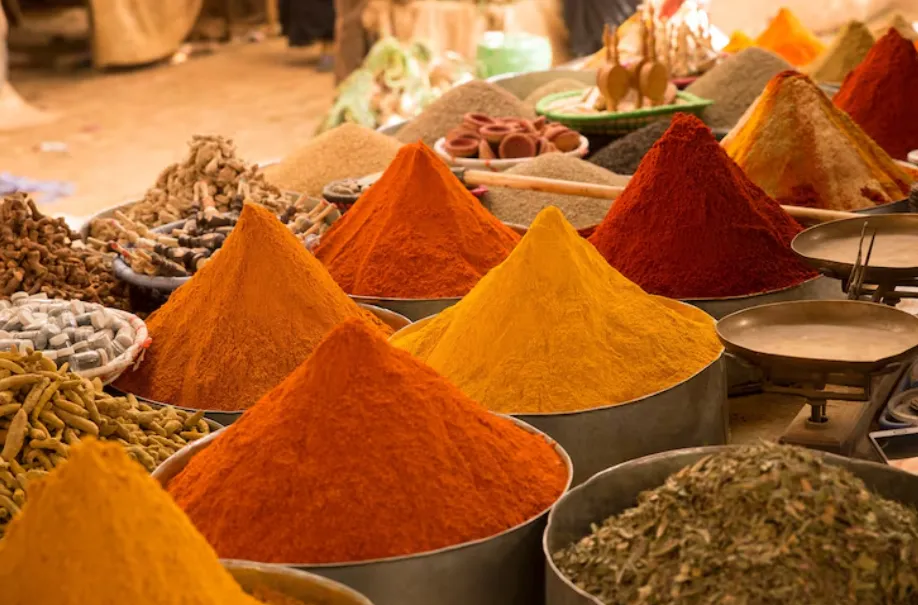
India is one of the world’s most important origins for spices, but commercial sourcing requires more than finding a supplier with a broad catalogue. For importers looking for an Indian spices supplier USA, the real priorities are product consistency, clear specifications, reliable documentation, suitable packaging and communication throughout the shipment cycle. These factors matter whether a buyer is sourcing whole seeds for retail packing or ground spices for food manufacturing. A structured purchasing process helps reduce avoidable surprises and gives quality teams a stronger basis for approving repeat orders.
Start With the Finished Product
The best specification begins with how the spice will actually be used. A retail brand selling whole cumin or coriander may focus heavily on appearance, uniformity and cleanliness. A manufacturer using spices in sauces, snacks or seasoning blends may care more about aroma, flavour strength and consistency after grinding or roasting.
This distinction should be clear before samples are requested. When suppliers understand the final application, they can recommend grades more effectively, and buyers can compare samples against practical requirements rather than vague ideas of “premium quality.”
Build Specifications That Can Be Checked
Commercial buyers need measurable standards. Depending on the spice, a specification may cover purity, moisture, foreign matter, colour, aroma, seed condition, particle size or other characteristics. Food safety testing and residue requirements may also apply according to the product, the buyer’s programme and the rules of the destination market.
Written specifications make incoming inspection more consistent. They also give both parties a reference point if a shipment differs from an approved sample. This is particularly important for agricultural products, where some natural variation between crops and lots is normal.
Look Closely at Cumin Quality
Cumin is a useful example of why product-specific checks matter. Buyers interested in high purity cumin seeds bulk should not rely on purity alone. Aroma, moisture, seed condition and performance after processing can all influence the finished food.
If cumin will be roasted and milled, a sample should be tested after those steps. If it will remain whole in a retail product or snack mix, appearance and seed integrity may become more important. Keeping an approved sample or sensory reference gives procurement and production teams a common benchmark when later shipments arrive.
Make Sample Approval Practical
A sample should represent commercial material as closely as possible. Buyers can inspect raw appearance and aroma, but production-style testing usually reveals more useful information.
A spice blender can make a small trial batch. A bakery can test seeds after baking. A sauce manufacturer can compare flavour strength in a standard recipe. These tests show whether the ingredient performs correctly in context, not just whether it looks acceptable in a sample bag.
Recording the results also improves future purchasing. Instead of relying on memory, teams can compare new lots with documented observations from previously accepted material.
Plan for the U.S. Supply Chain
International buying involves logistics as well as product quality. Packaging should protect spices from moisture, contamination and unwanted odours during transport and storage. Buyers should confirm bag type, pack weight, liners where necessary, batch identification and labelling before dispatch.
Importers should also establish which commercial, food-safety and customs documents are required for their specific products and shipments. Requirements can differ by commodity and use, so they should be verified for the actual transaction rather than assumed from a previous order.
Once goods arrive, clean and dry storage remains important. Proper stock rotation and clear batch identification make traceability easier.
Judge the Relationship Across Repeat Orders
The first shipment is only one test of a supplier. Long-term buyers should track specification compliance, packaging condition, delivery timing, communication and production feedback over several orders.
Agricultural ingredients may change slightly from season to season, but those differences should remain within the agreed quality limits. When a supplier communicates early about changes in availability or grade, buyers have more time to plan and assess alternatives.
Price still matters, but it should be considered alongside the cost of inconsistency. Extra testing, sorting, production adjustments or delays can quickly erase a small saving on the original quotation.
Conclusion
Sourcing spices from India for the U.S. market works best when buyers connect procurement decisions with real production and logistics needs. Clear specifications, representative samples, product-specific testing, suitable packaging and reliable documentation all contribute to a smoother supply process. By evaluating suppliers over repeated shipments rather than a single quotation, importers and food manufacturers can build stronger purchasing relationships and maintain greater consistency across the products they bring to market.