

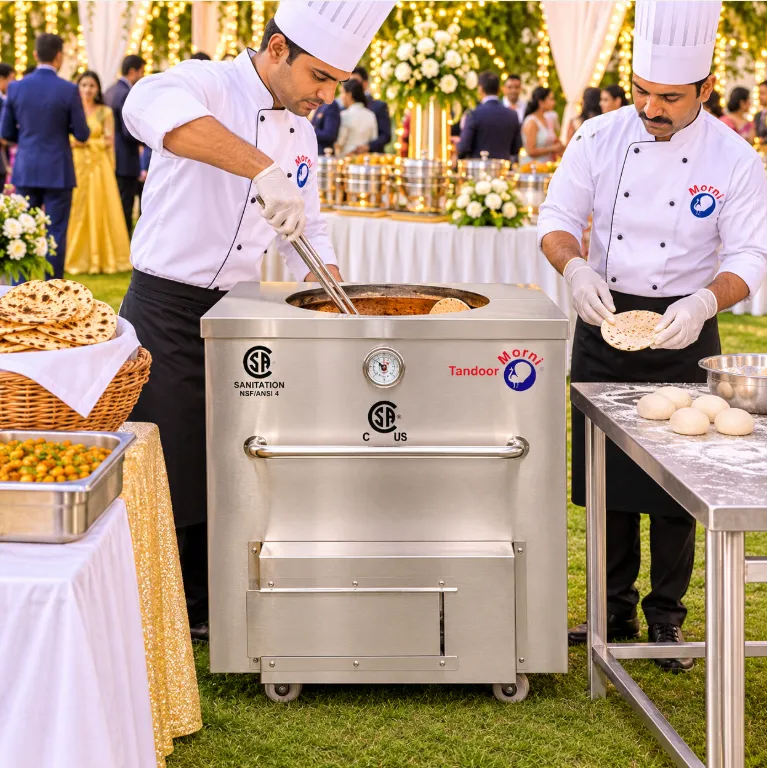
A good tandoori roti should be soft in the middle, lightly crisp around the edges, and marked with small charred spots from the hot clay wall. This Tandoori Roti Recipe uses whole-wheat atta, a little oil, salt, and warm water, so there is no yeast or long rise to manage. The dough rests briefly before it is rolled thin and baked at high heat. With the dough rested and the tandoor already preheated, you can shape and cook a fresh batch of soft, blistered whole wheat roti in under 30 minutes.
Simple Ingredients For This Tandoori Roti Recipe
This tandoori roti recipe needs only two cups of whole-wheat atta, half a teaspoon of salt, one tablespoon of oil, and around three-quarters to one cup of warm water. Keep two tablespoons of melted butter or ghee nearby for serving. Add the water slowly because different brands of flour absorb moisture at different rates. The dough should feel soft and slightly tacky, not stiff or dry. Finely milled Indian atta is ideal, while regular whole-wheat flour can also work with a little extra water and careful, patient kneading.
Knead Until The Dough Feels Smooth
Place the flour and salt in a wide bowl, then mix them so the seasoning spreads evenly. Stir in the oil and begin adding warm water a little at a time. Knead for several minutes until the mixture becomes a soft, even dough with no dry patches. Resist adding too much extra flour while kneading, as a firm dough can make the finished roti dense. If it feels rough or cracks at the edges, work in a small splash of water until it becomes pliable and easy to handle.
Rest The Dough Before Rolling Each Roti
Cover the dough with a clean, slightly damp cloth or an overturned bowl and leave it to rest for about 20 minutes. This short pause gives the flour time to absorb water and allows the gluten to relax. As a result, each portion is easier to roll without shrinking back or tearing. After resting, divide the dough into eight equal portions and shape them into smooth balls. Keep the portions covered while you work, so their surfaces do not dry out before rolling or become difficult to shape.
Roll Thin Circles For Even Cooking
Lightly dust the work surface and rolling pin with atta. Flatten one dough ball and roll it into an even circle about four millimeters thick. Tandoori roti is usually thinner than naan, which helps the moisture inside turn to steam quickly in the hot clay oven. Try to keep the center and edges at a similar thickness so the bread cooks evenly. Avoid making the circle too large to handle safely when transferring it to the tandoor with your tools.
Heat The Tandoor And Prepare Its Wall
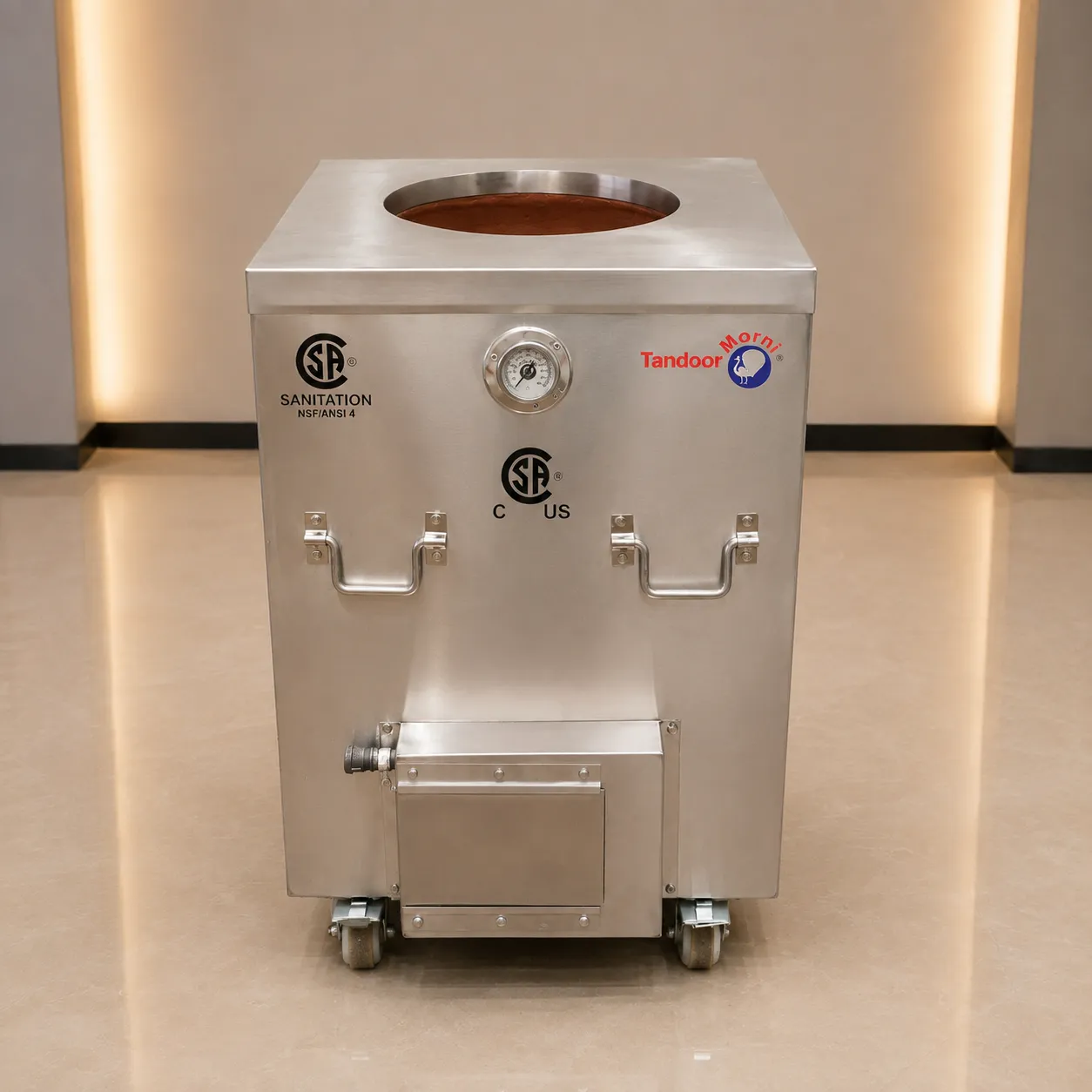
Preheat the tandoor until the cooking wall reaches approximately 600 to 650 degrees Fahrenheit for this tandoori roti recipe. Follow the operating instructions for your particular oven, and use a suitable thermometer rather than judging the heat by appearance. Keep naan rods or the correct retrieval tool close by before you begin. Lightly wet one side of each rolled roti, making sure the surface is properly damp. This moisture helps the dough grip the clay wall and supports the steam that makes the bread puff during baking. A compact Clay Oven intended for outdoor home use still needs sufficient preheating before the dough goes onto its inner wall.
Bake Quickly Then Brush With Ghee
Carefully press the wet side of the roti against the hot clay wall, following your tandoor manufacturer’s safe handling instructions. Bake for around 45 to 60 seconds, watching for the bread to puff and develop small brown or charred spots. Cooking time can vary with oven temperature and roti thickness, so stay beside the tandoor throughout. Remove the bread with the proper naan rods when it is cooked, then brush it lightly with melted butter or ghee. Serve immediately while it is warm, flexible, and at its best.
Troubleshooting Common Tandoori Roti Recipe Problems
If the roti falls off the wall, the surface was probably too dry. Moisten the side that touches the clay a little more and press it down firmly. If it turns hard or crisp all over, the dough may have been rolled too thin or baked too long, so shorten the time.
A pale roti with no spots usually means the clay oven was not hot enough, so give the clay more time to preheat. If the bread feels dense, the dough may have been too stiff, so add a little more water next time.
Do not worry if your first whole wheat roti is uneven. Every tandoori roti recipe improves with practice, and each batch teaches you how your oven and dough behave.
Following the same tandoori roti recipe each time also helps. Once you find the water amount that suits your flour, write it down, and your dough will turn out the same way whenever you cook.
Delicious Ways to Serve Fresh Tandoori Roti
Fresh whole wheat roti pairs well with dal tadka, paneer butter masala, mixed vegetables and raita. Its whole wheat flavor holds up to bold spices, so this tandoori roti recipe suits both everyday meals and festive menus.
Keep the rotis warm in a cloth-lined basket and serve them in small batches. You can also use leftover roti to make a quick wrap with vegetables or paneer the next day.
Because this tandoori roti recipe is simple, the sides can take center stage. A bowl of homestyle dal and a little pickle are often all you need for a comforting meal.
For a festive twist, brush the hot rotis with garlic butter or sprinkle a little chopped coriander on top. These simple finishes add flavor without hiding the whole wheat taste.
Hot rotis are best eaten quickly, so bake in small batches and serve them as soon as they are brushed with ghee.
Whole wheat roti also reheats well in a covered pan with a drop of water, though it never quite matches the softness of fresh bread. For the best taste, bake only as many as you plan to eat.
Conclusion
This tandoori roti recipe brings simple whole-wheat dough and intense clay oven heat together for a bread that is tender, blistered, and full of character. The key to any tandoori roti recipe is a soft dough, a short rest, thin rolling, and a properly heated tandoor. Work carefully around the hot oven, use the right tools, and adjust the water slightly to suit your flour. Serve the rotis straight away with dal, vegetables, or your favorite curry. For more tandoor recipes, cooking tips, and equipment guidance, visit tandoormorni.com.